Pictures of Older Posts

www.flickr.com
Showing posts with label Gluten Free. Show all posts

Sunday, December 20, 2009

Chicken Tikka Masala


It’s been a couple of years that Tanya, Camilla and I and our families get together before Christmas for a potluck dinner. We used to work at the same company but not anymore, so we catch up with personal things and see the kids growing up. We also go for walks and scrap booking (that has been a while!).
Every year we had a food “theme”. We had fondue, pasta and this year, Indian food. Camilla made keema and basmati rice. Tanya made egg curry and dahl. I made saffron rice and chicken tikka masala. Everything was to die for!

This is a simplified version of the chicken tikka masala. You can make your own garam masala, which I usually do. I prefer to use equal amounts of cream and and half and half instead of cream only. The final dish turns out lighter and a little thinner than the original. I also use cayenne pepper instead of chilies, that way it’s easier to control the spiciness. Today I am serving the dish with cashew nuts and saffron rice.


Chicken Tikka Masala
Serves 6 to 8

Ingredients:
Chicken Tikka
1/2 teaspoon  ground cumin  
1/2 teaspoon  ground coriander  
1/4 teaspoon  cayenne pepper  
1 teaspoon  sea salt  
2 pounds  boneless, skinless chicken breasts cut in 1” cubes 
1 cup  plain yogurt
2 tablespoons vegetable oil  
2 garlic cloves, minced
1 tablespoon  grated fresh ginger  

Masala Sauce
2 tablespoons  vegetable oil  
1 medium onion, chopped
2 garlic cloves, minced
1 tablespoon grated fresh ginger  
1 fresh Serrano chile , ribs and seeds removed, flesh minced or 1 teaspoon cayenne (for more heat, leave seeds on, for less heat add less pepper with no seeds or ¼ teaspoon cayenne)
1 tablespoon  tomato paste
1 tablespoon  garam masala
1 can diced tomatoes
1 ½ cup water 
½ teaspoon sea salt  
½ cup  heavy cream or half and half
1/4 cup  chopped fresh cilantro leaves  


Directions:
Combine cumin, coriander, cayenne and salt in small bowl. In large resalable plastic bag, whisk together yogurt, oil, garlic, and ginger and the spice mixture. Add to chicken to bag. Seal and shake well to cover the chicken thoroughly. Refrigerate overnight.

Heat oil in a large pan over medium heat, add onion and cook, about 10 minutes or until it starts browning. While the onion is cooking, mix garlic, ginger, pepper, tomato paste and garam masala in a small bowl. Remove onion from pan and add the chicken. Discard the marinade. Sautee chicken until all sides are sealed, about 5 minutes. Return onion and spice mix to pan, stir and cook about 3 minutes or until fragrant. Add canned tomatoes, water and salt. Bring to a boil, reduce heat to low and simmer for about 25 minutes. Stir in cream or half and half and cilantro just before serving. Adjust salt.

Saffron Rice


Saffron Rice
(From Curried Flavors, Maya Kaimal MacMillan)
Serves 6 to 8


Ingredients:
2 C basmati rice, well washed
1/2 t saffron threads
2 T warm milk
1 cinnamon stick
4 whole cloves
4 cardamom pods, slightly crushed
1 T oil
3 1/4 C water
1 1/2 t salt


½ cup broken raw cashew nuts or blanched slivered almonds
1/3 cup raisins
1 tablespoon Ghee or butter


Directions:
Soak the saffron in warm milk for 10 min.

Boil the water.
Add oil, cinnamon, cloves and cardamom to a pan, at medium heat.
When the spices start to release their fragrance, add the rice and fry for a couple of minutes, until the rice is shinny and coated with the oil.
Add the boiling water, saffron, lower the heat and cover.
Cook till all the water is absorbed.

In a small frying pan over medium heat, fry nuts and raisins in ghee or butter until nuts turn redish brown. Stir thoroughly into rice and serve.


Tuesday, December 15, 2009

Moroccan Style Chicken and Garbanzo Stew


I came up with this recipe by changing my Harira soup recipe. See the Harira soup recipe here.

Moroccan Style Chicken and Garbanzo Stew
(6 servings)

Ingredients
1 tablespoon olive oil
1 large onion, chopped
1 garlic clove, minced
1 ½ pound chicken cut in big pieces
sea salt, ground black pepper
½ tablespoon grated fresh ginger
¼ teaspoon ground turmeric
1/8 to ¼ teaspoon cayenne pepper (optional)
1 ½ cup chopped tomato (or 1 can unsalted diced tomatoes)
½ cup warm water
1/4 teaspoon saffron soaked in warm water
1 15 oz can drained canned chickpeas (garbanzo beans)
1 tablespoon minced fresh cilantro
1 tablespoon minced fresh parsley
Juice of ½ fresh lime

Directions
Season chicken pieces with salt and pepper. Soak saffron in warm water. Heat oil in a large stock pot oven over high heat. Add onion and cook 5 minutes until translucent. Add garlic and cook one more minute. Move onion and garlic mix to one side of the pan and add chicken. Cook 2 to 3 minutes each side or until slightly browned. Add ginger, turmeric, cayenne (if using) and cook 1 minute, stirring frequently. Stir in chopped tomato and saffron with water, cook 1 to 3 minutes, stirring frequently. Bring to a boil, reduce heat to low, cover, and simmer 30 minutes. Stir in chickpeas, bring to a boil, reduce heat, and simmer 15 minutes. Stir in cilantro, parsley and lime juice; cook 1 minute or until thoroughly heated.

Monday, November 30, 2009

Fish with Coconut Milk and Avocado Lime Salsa


This is a variation of a very popular Brazilian dish called “Moqueca”. My friend Patricia’s dad who is from Recife, Northeast Brazil, makes the moqueca “come il faut” (the proper way), with dende oil, real coconut and a clay pot.
Since palm oil is required in the preparation of moqueca and it’s not easy to obtain the authentic “dende oil” in the US, I created a variation of the dish. It’s basically the moqueca recipe with no dende oil. To make it up for the lack of the oil, serve it with an avocado-lime salsa.

 Fish with Coconut Milk and Avocado Lime Salsa
6 servings

Ingredients:
1 lb white fish such as halibut or orange roughy
½ lime juice, sea salt, pepper
1 tablespoon olive oil
1 medium onion, thinly chopped
½ large tomato, peeled, seeded, chopped
1 tablespoon tomato paste
¾ red pepper, julienned, skinned, if possible
1 cup coconut milk
4 tablespoon water
8 oz medium shrimp
2 tablespoons chopped cilantro

Salsa:
1 cup avocado, chopped in ¼ inch cubes
1 to 1 ½ lime juice
2 tablespoon chopped cilantro
1 tablespoon finely chopped onion
sea salt to taste

Directions: 

Season fish and shrimp with lime juice, salt and pepper. Fry onion in 1 tablespoon of oil in medium high heat until onion translucent, about 5 minutes. Add chopped tomato, tomato paste and bell pepper, cook in medium low heat about 10 minutes, until thick. Add 1 cup coconut milk and water and bring to a boil. Add the fish, bring to a boil, lower the heat and simmer for 5 to 10 min, covered, until the fish is almost done. While the fish is cooking, prepare the salsa: : mix all salsa ingredients in a medium bowl and toss to combine. Add shrimp, and half of the cilantro, cover, cook about 5 min or until the shrimp is cooked. Adjust the salt. Add remaining cilantro. Remove from heat and serve with salsa and rice. And optionally, pepper sauce.

Friday, November 27, 2009

Thanksgiving (Feijoada)


We don’t celebrate Thanksgiving in Brazil, so we, Brazilians, are not very sure what to do on this day. Those who live in the US usually get invited to American friend’s houses as “orphans”. This year I decided to celebrate Thanksgiving the Brazilian way, so I make “Feijoada”, a Brazilian party dish. We’ve also got some turkey, of course. Since Thanksgiving is a date to celebrate the families and friendships I decided to share a few of the party pictures! 

A popular myth states that the Brazilian feijoada was a "luxury" dish of African slaves on Brazilian colonial farms, as it was prepared with relatively cheap ingredients (beans, rice, collard greens, farofa) and leftovers from salted pork and meat production. Over time, it first became a popular dish among lower classes, and finally the "national dish" of Brazil, offered even by the finest restaurants. (Wikipedia)


The traditional feijoada is made with many different parts of the pork, salted, fresh or smoked, such as feet, tail, hock, ears, tongue, ribs, butt, bacon etc. Since most people don’t eat these exotic meats (my family loves them all), I make it with the basic “carne seca” (Brazilian salted cured beef) and sausage. Some ham hock or pig feet is necessary to yield some collagen. I remove the visible pieces from the stew before serving.
Feijoada needs to be accompanied by caipirinha, a drink made with cachaca (sugar cane alcohol), lime, sugar and lots of ice. And a nap or a walk in the park.

Feijoada (Brazilian Black Bean and Pork Stew)
10 servings
Ingredients
1 1/2 lbs dried black beans
1 pound carne seca
3 pounds sausage (Portuguese or Calabrese-type if available)
2 ham hocks (smoked or salted if possible)
2 bay leaves
Directions
24 to 36 hours before, soak the carne seca in water to cover, keep in the fridge and change the water once or twice. Soak the beans overnight.

The next morning, prick the sausages with a fork, place them in a saucepan, cover with cold water and bring to a boil. Reduce the heat and simmer the sausages for 5 to 10 minutes. Discard the water. Add the boiled sausages to a skillet and lightly brown all sides. Discard any fat.
Place the drained beans in a large stock pot with the bay leaves, carne seca, cooked sausage, and other meats (if using) and cover with cold water by 5 inches. Bring the beans to a boil in high heat. Reduce the heat to medium low heat and simmer, uncovered, for about to 2 to 3 hours or until beans are cooked. Stir from time to time so the beans don’t stick to the bottom of the pan. This step can be done with a pressure cooker.
Mash some beans against the pan sides with the side of a wooden spoon, lower the heat to very low and simmer for 1 or 2 more hours until thick and creamy.
Remove the big pieces of meat from the pot, cut them to bite size pieces and return to the pot. Remove the bay leaves. Check the salt. You should not need to add salt.
Serve the feijoada with white long grain rice, farofa, citrus sauce, sliced or whole peeled oranges and collard greens.

Oranges
Ingredients
5 oranges
Directions
Peel the oranges including the white skin, cut into ½” slices and arrange them on a serving dish.


Farofa
Ingredients
4 oz bacon, cut in ½” pieces
2 cups manioc flour
Salt
Directions
Fry the bacon in a skillet until golden brown and all the fat is released. Lower the heat to medium, add manioc flour and stir until lightly toasted. Add salt to taste. Use 1 tablespoon of olive oil to 1 cup of manioc flour for a vegetarian version.

Collard Greens
Ingredients
1 lb collard greens, washed and dried
1 teaspoon olive oil
Directions
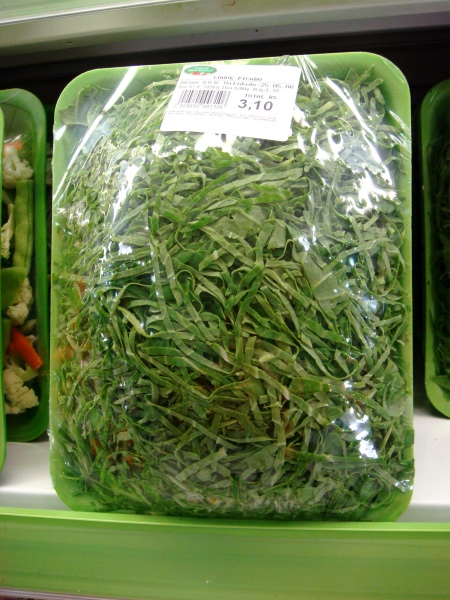
Fold the collard green leaves in half lengthwise and cut away the stems. Pile 6 leaves and roll tightly like a cigar. Cutting across the leaves, make very thin strips. Heat the olive oil in a skillet, add collard greens, sprinkle with salt and cook over medium-high heat tossing until just wilted.

Citrus Sauce
This is not part of the traditional feijoada recipe. But it’s a tradition in my family’s feijoada. It lightens the whole dish and freshens up the palate.
Ingredients
2 cups orange juice
1/3 cup lime juice
1 small bunch of parsley, finely chopped
1 small bunch of green onions, finely chopped
½ onion, finely chopped
Fresh red pepper, chopped (optional)
Directions
Add all ingredients to a bowl. Stir. I usually make ½ of the recipe with pepper and ½ with no pepper.

Wednesday, November 25, 2009

Cabbage And Potato Curry (Aloo Vepudu)


Trend… shifting from Japanese to Indian cuisine… I was hoping to make Aloo Gobi (potato and cauliflower curry) tonight but I thought I should use the produce from my CSA box. I found a great recipe for Aloo Vepudu, which is potato and cabbage curry, in the Curry in Kadai blog. Check the recipe here.

The change I made to the recipe was that I used 1 tablespoon of ghee instead of 3-4 tbsp of oil, bay leaves instead of curry leaves and cayenne in place of green chilies.

Tandoori Chicken


The Tandoori Masala composition can vary a lot. The first time I made it, I started with a basic recipe I found online. Then I adjusted the formula to my taste in subsequent meals. Some recipes call for fenugreek or mace. Some ask for cloves. Some ask for powdered herbs, some for seeds. Some recipes ask for powdered ginger and garlic, some for fresh. In my opinion, it’s better to make a fresh mix each time and not store it, as the fragrance can fade over time. I also prefer to use fresh ginger and garlic. But it all depends on the time you have and ingredient availability. The end result is always delicious.

Tandoori Chicken

Ingredients:
2 lb chicken pieces of your choice with skin and visible fat removed
1/2 Tandoori Masala recipe
1 cup yogurt (preferably regular)
1 tablespoon oil

1 lime or lemon juice
Sea salt to taste
½ teaspoon chili or cayenne pepper powder

Tandoori Masala Ingredients:
2 tablespoons cumin seeds or 1 ½ tablespoons cumin powder
2 1/2 tablespoons coriander seeds or 2 tablespoons coriander powder
¼ tsp turmeric powder
1 tsp garlic powder or 3 fresh garlic cloves, minced
1 tsp ginger powder or 1 tablespoon grated ginger
½ to 1 tsp red chili or cayenne pepper powder
¼ tsp clove powder
1 tsp cinnamon powder
1 tsp orange or red food coloring (optional)


Directions:
To make the tandoori masala, if using seeds, dry roast the cumin and coriander seeds in a pan on a low flame, till they begin to release their aroma. Remove from fire and cool. Grind seeds in a grinder. Add all ingredients and mix well.

Make slits in the chicken pieces with a knife. Mix lime, salt and chili pepper in a small bowl. Rub the lime mixture into the chicken slits. Combine yogurt and tandoori masala in a bowl. Mix well. Add the yogurt mix to a large plastic bag or a glass bowl. Add the chicken to the mix and toss well, making sure all the pieces are well coated. Drizzle the oil and toss. Marinate in the fridge for 6 to 24 hours.
Preheat the grill to medium heat and lightly oil the grate. Spray oil in the chicken pieces and quickly sear both sides of the chicken. Reduce heat and cover the grill. Cook until meat is no longer pink and juices run clear.
Or you can cook the chicken in the oven: preheat broiler. Cover a baking pan with foil and spray the foil with cooking spray. Lay chicken on greased foil and spray with more cooking spray. Broil until it starts browning and turn. Brown the other side. Lower temperature to 350 F. Bake for approximately 10 minutes or done.
Top with onion slices while grilling.
Garnish cilantro and lemon wedges.

Portuguese Style Broccoli Rice


Broccoli rice was a favorite at my parent’s house, specially when we had “bacalhau” (salted cod). Everybody loved it. There was never enough. Its obvious Portuguese flavors go well with fish or meat. 
Note: a very good olive oil is important for the success of this dish. I also used purified water, fair trade basmati rice and Himalayan salt. And the broccoli: it was fresh from today's CSA box!

Portuguese Style Broccoli Rice
4 servings

Ingredients:
2 cups water
2 tablespoons olive oil
3 - 4 garlic cloves, finely minced
1 cup white long grain rice
4 cups broccoli
Sea salt to taste

Directions:
Wash the broccoli and cut into medium florets. Include some of the stem, peeled and chopped, and if there are leaves, use them as well. Wash the rice and dry well in a strainer. Heat olive oil in a pan. Add the garlic and stir fry for about 1 to 2 minutes, until fragrant. Add the broccoli and rice. Stir for a couple of minutes until the rice is well coated with olive oil. Add boiling water, salt and reduce heat. Cover and simmer in low for 15 to 20 minutes. Fluff with fork and serve. Drizzle with additional olive oil if desired.

Saturday, November 21, 2009

Gomokuzushi (Sushi Rice with Vegetables)


Oh no! Another Japanese dish!  J
Gomokuzushi or Kansai-style sushi is a sushi dish made with cooked or uncooked ingredients mixed in the body of the rice in the bowl. “Gomoku" means five, or more than five different ingredients. It is different than Chirashizushi (called Tirashi in several Japanese restaurants) in the sense that Tirashi is sushi rice topped with sashimi and other delicacies.
I like my Japanese seasonings less sweet than most recipes ask for. The thin omelet takes 1 teaspoon of corn starch, I didn’t use it. Besides toppings A and B, I added green peas and a wonderful tea-smoked salmon, a recipe from a blogger, Miriam from Madrid. Check Miriam from Madrid’s web site here.

Gomokuzushi (Sushi Rice with Vegetables)
4 Servings


Ingredients:
Sushi Rice:
2 cups Japanese rice, cooked
2 ½ inch piece of kelp seaweed (kombu)
5 tablespoons rice vinegar
1 tablespoon sugar
1 ½ teaspoons salt


Toppings A:
4 medium dry shiitake, softened by soaking in hot water, stems trimmed, cut into thin strips
1 small carrot, cut in 1 “ long, thin strips
1 small burdock root, cut in 1” long, thin strips
1 tablespoon sugar
2 tablespoon soy sauce
1 teaspoon mirin


Toppings B:
thin omelet
1 sheet of nori seaweed, cut in 1” long, thin strips
1 tablespoon sesame seeds, toasted and slightly crushed
1 tablespoon pickled ginger, squeezed, cut into thin strips

Thin omelet:
3 eggs
1 teaspoon sugar
1 tablespoons mirin
pinch of salt
1 teaspoon cornstarch


Toppings C, more ideas (optional):
1 cup cooked green peas
4 oz smoked salmon or salmon grilled in salt, shredded
1 English cucumber, thinly sliced, salted, squeezed
1 cup canned bamboo, lotus root or water chestnut cut into thin sticks
2 aburage, deep-fried tofu pouches, thinly sliced into strips
4 oz small squids, cooked and sliced crosswise (round sections) or
4 oz shredded crab imitation


Directions:
Rice:
Cook rice with kelp and water. Remove kelp when water boils. Put hot cooked rice into a mixing tub (wooden or glass) and spread evenly over the bottom. Mix vinegar, sugar and salt in a cup, stir well. Sprinkle vinegar mixture generously over the rice. With a large wooden spoon, mix rice with a slicing motion, very gently. You want to keep the rice grains intact. While you mix, use a hand fan. This is not to cool the sushi rice, but to puff the extra liquid away. Keep the sushi rice in the tub, covered with a damp towel.


Toppings A:
Cook burdock in a small pan in medium-low heat until almost all the liquid is absorbed. Add carrots and shiitake when burdock is almost done, mix well.

Thin omelet:
Add mirin, sugar, salt and cornstarch to beaten eggs. Grease a non-stick skillet over medium low heat. Pour in just enough beaten egg to cover the bottom of the skillet. Rotate the skillet. The omelet is ready to turn when the edges curl up and the surface becomes glossy. Turn omelet with your hands and wait about 10 seconds. Remove from pan. The omelet should be paper thin. Pile the omelets. When they are done, roll them jelly roll fashion and cut into very thin strips.

Assembly:
Add all ingredients except nori and the egg omelet to the rice and mix. Turn into a large serving platter or individual bowls and garnish with egg topped with nori.

Saturday, November 14, 2009

Chawanmushi (Japanese Style Savory Egg Custard)


Here I am cooking Japanese food again!  J
This dish is delicate and delicious. It’s a side dish. You can mix any meat of fish, in byte size pieces. There are special serving dishes for chawanmushi but I don’t have them, so I use bowls covered with foil and I steam them in a pan.

Chawanmushi (Japanese Style Savory Egg Custard)
4 Servings

Ingredients:
Dashi:
2 cups water
½ oz kombu seaweed (kelp) or 3 inches strip
1/2 cup dried bonito flakes

Custard:
3 eggs
1 2/3 cup dashi 
1 tsp soy sauce

Fillings:
4 oz chicken breast, cut into bite-size pieces
4 large or 12 small shrimp, shelled, tail on (optional)
4 shiitake mushrooms, thinly sliced, or 1/4 enoki mushrooms, chopped
8 slices kamaboko or narutomaki fish cakes
Japanese herb leaves such as mitsuba/trefoil (optional)


Directions:
Dashi: Heat the water with kelp, uncovered, over medium heat, remove kelp right before the water boils. Add a little bit of water and add the dried bonito flakes just before the water starts boiling. When the foam starts to raise, reduce the heat and simmer for 10 seconds. Turn off the heat. Add a pinch of salt and let stand until the flakes sink to the bottom. Strain.

Lightly beat eggs in a bowl, strain the eggs, add cold dashi and salt. Marinade the chicken with the mirin and soy sauce for a couple of minutes. Place fillings in the bottom of 8 oz bowls. Stir in the egg mixture carefully. Break any bubbles on the surface. Place mitsuba leaves on top of the egg mixture. Cover the cups with foil. Preheat a steamer on high heat. Turn down the heat to low and carefully place cups in the steamer. Steam for about 15 to 20 minutes until set.

Copyright